
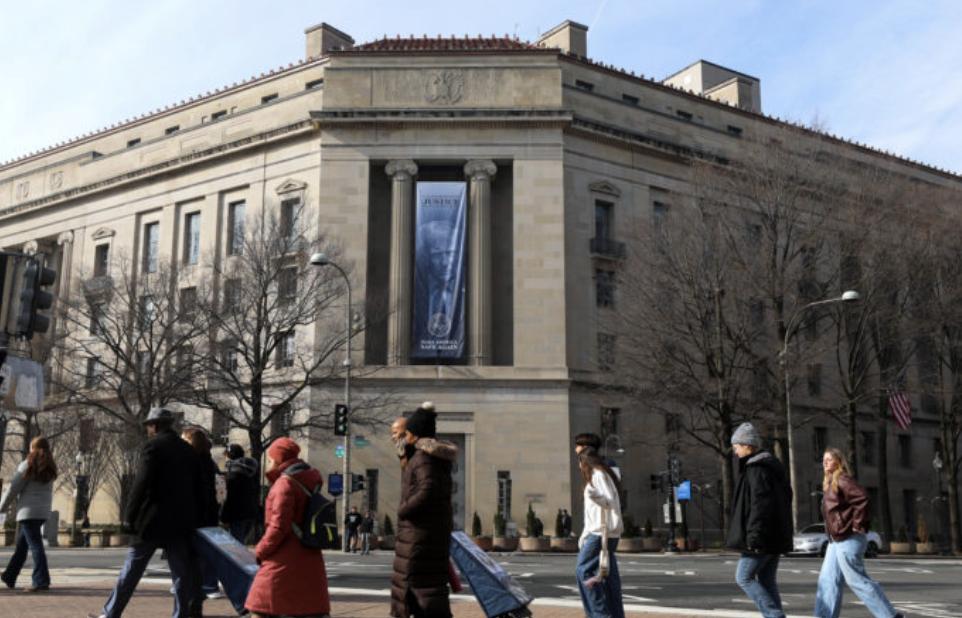
The Department of Justice has expanded its case against the Southern Poverty Law Center (SPLC), accusing the prominent civil rights organization of misleading donors while secretly paying informants connected to extremist groups, including members of the Ku Klux Klan.
A federal grand jury in Alabama returned a superseding indictment last month that largely preserves the charges originally filed in April while adding new details about the alleged scheme.
According to the Justice Department, the SPLC funneled more than $3 million between 2014 and 2023 to confidential informants embedded within a range of extremist organizations. Those groups allegedly included the Ku Klux Klan, United Klans of America, the National Socialist Movement, participants in the 2017 Unite the Right rally in Charlottesville, and members of the Aryan Nations-affiliated Sadistic Souls Motorcycle Club.
Federal prosecutors claim the organization concealed the payments from donors while publicly condemning the same groups on its website and through its advocacy work.
“The SPLC’s paid informants engaged in the active promotion of racist groups at the same time that the SPLC was denouncing the same groups on its website,” the indictment states.
The nonprofit faces 11 criminal charges, including six counts of wire fraud, four counts of making false statements to a federally insured bank, and one count of conspiracy to commit money laundering.
Prosecutors also allege that the SPLC used bank accounts associated with fictitious entities to disguise payments made to confidential sources and conceal the movement of donor funds.
According to court filings, the organization’s informant network dates back to the 1980s. The government argues that the SPLC continued operating the program for decades while concealing its activities from donors and financial institutions.
One example outlined in the indictment involves two alleged informants connected to the Ku Klux Klan. Prosecutors claim the pair considered leaving the organization but were encouraged by an SPLC employee to remain involved. The employee allegedly offered them a monthly salary of $1,200, which prosecutors say was paid using donor funds.
The indictment further alleges the individuals were instructed to provide a false explanation for their income if questioned. Prosecutors claim they were told to say they worked for a company called Rare Books and assisted college students with research and writing projects.
Federal prosecutors also allege the SPLC reimbursed expenses connected to Klan activities, including costs associated with cross-burning events. According to the indictment, donor funds were allegedly used for items such as wood, fuel, recruitment efforts, and materials used to make Ku Klux Klan garments.
The SPLC has strongly denied the allegations.
Attorney Abbe Lowell, who represents the organization, dismissed the superseding indictment and accused prosecutors of attempting to strengthen what he described as a flawed case.
“This apparent superseding indictment attempts to shore up the flaws in the initial charges, but it changes nothing,” Lowell said in a statement.
“The SPLC did not lie to its donors, it did not mislead banks it did business with, and its informant program prevented violence and saved lives,” he added.
Lowell also criticized the Justice Department’s handling of the case, alleging that details of the indictment were shared with members of the media before the court formally unsealed it.
The superseding indictment highlights the substantial growth of the organization over the past decade. According to prosecutors, the SPLC’s annual revenue increased from approximately $38.7 million in 2010 to more than $129 million in 2023. During the same period, its reported net assets grew from roughly $238 million to nearly $787 million.
The SPLC has long described its mission as combating white supremacy and extremist movements through research, monitoring, litigation, and public education efforts.
When the original indictment was announced, Acting Attorney General Todd Blanche argued that the organization’s informant program ultimately served its own institutional interests.
“To that end, was doing the exact opposite of what it told its donors it was doing—not dismantling extremism but funding it,” Blanche said.
The case remains ongoing, and the allegations contained in the indictment have not been proven in court.